
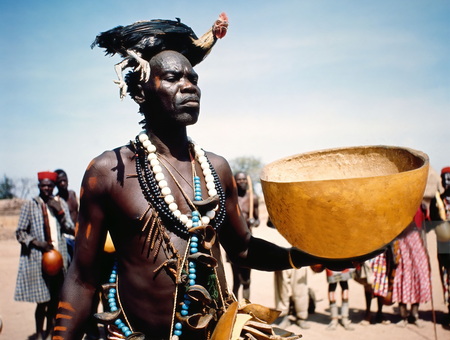
The Moussey People (Musey) are an ethnic group closely related to the Massa people of Chad. They are also found in Cameroon.
Globally, this group totals 587,000 in 2 countries. The Musei of Cameroon are numbering 81,000 (Peoplegroups.org, 2024)
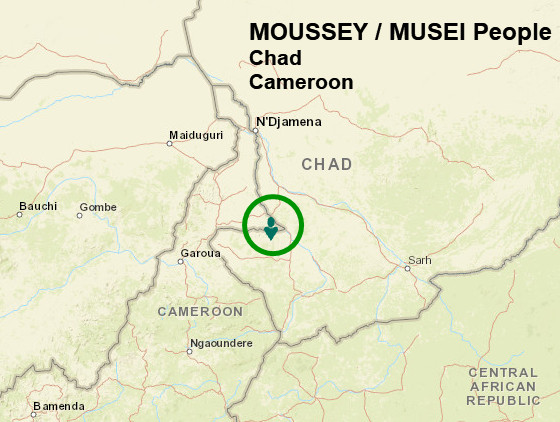
The vast majority live in Chad—mostly in the Bongor area of the Mayo-Kebbi region—while around 81,000 reside in Cameroon. Due to 19th-century persecution and slavery, some groups historically migrated to Nigeria and Burkina Faso as well.
Their primary language is Musey. The Massa and Moussey languages are almost identical.
They are locally recognized as excellent horsemen and commercial cotton farmers. In fact, they produce more than 10% of Chad's annual cotton crop. Most Mousseys live in the Bongor region of Mayo-Kebbi Prefecture, where they are skilled cotton farmers. The Mousseys supply more than 10 percent of Chad's cotton crop each year.
The primary religion practiced by the Musei is animism. While approximately one-third maintain their traditional animist beliefs, the majority have converted to Christianity.
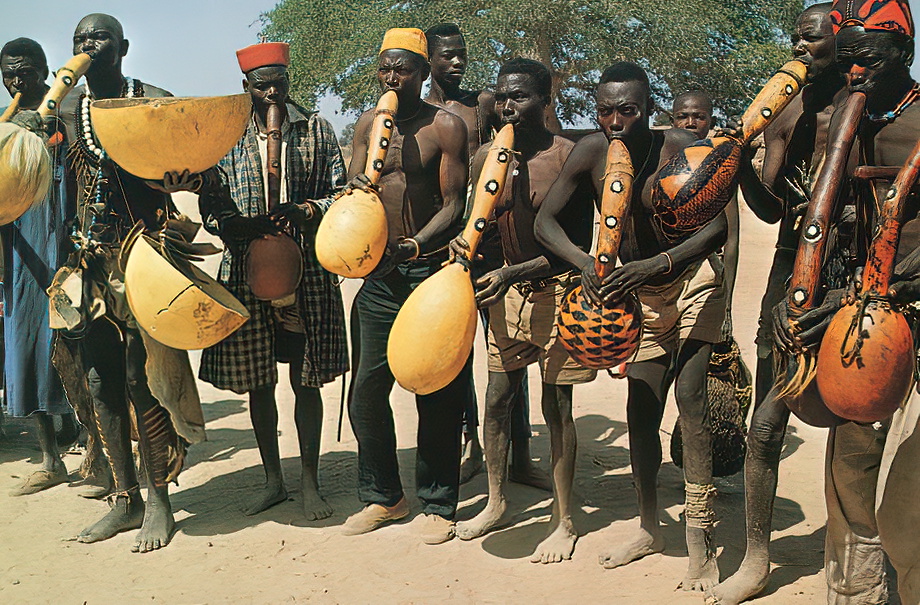
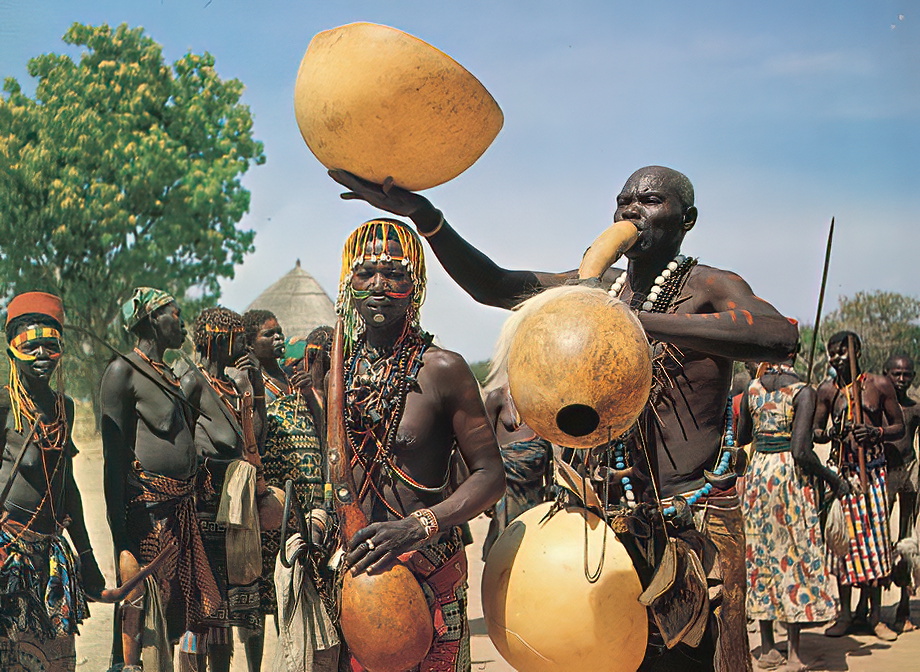
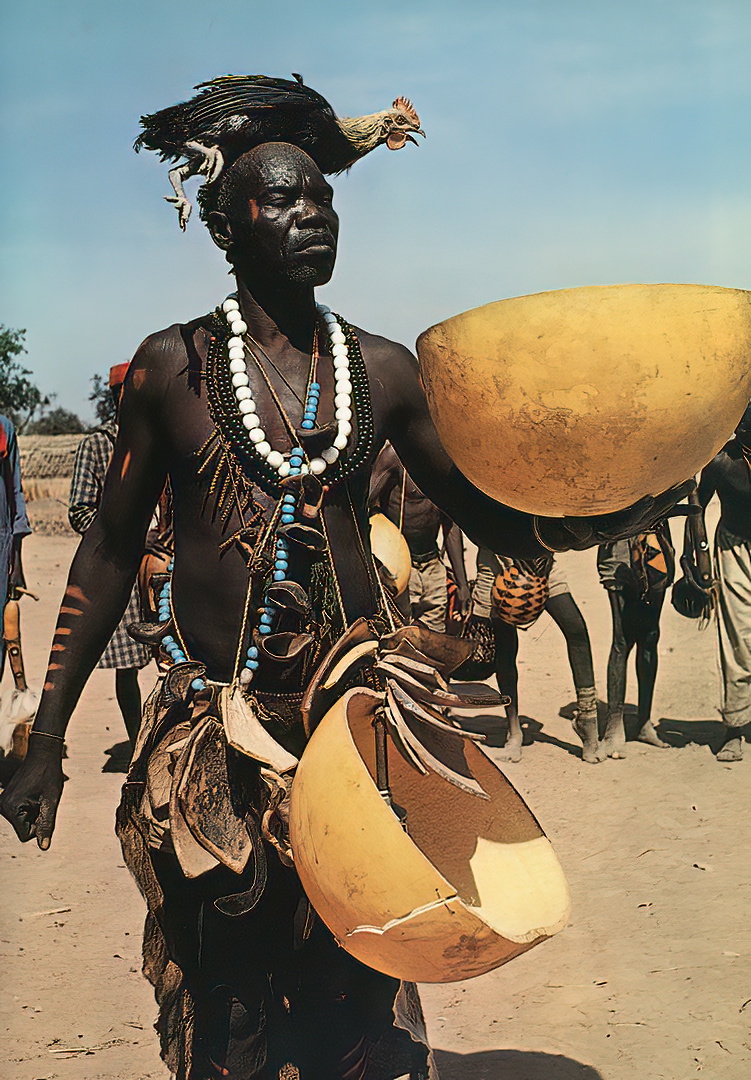
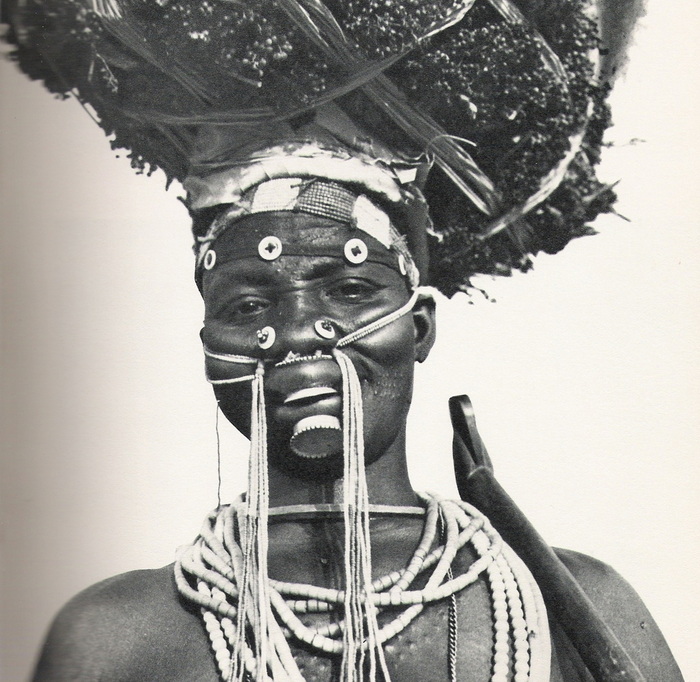
They are famous for traditional dances, such as the Fulina (danced by women), the Kotomna (by men), and the Dina (men accompanied by the sitar or lute). Every year they celebrate the Kodomma festival, a major gathering for Moussey communities from different countries to reinforce their cultural identity.
The Mousseys are also recognized locally for their skill as horsemen. They are excellent commercial cotton farmers and encourage their children to get educations and seek success in modern Chadian society.
Sources: